

Wet wipes have become an essential product across personal care, healthcare, and industrial cleaning. With global demand continuing to rise, many brands are turning to a reliable china wet wipes manufacturer or top wet wipes supplier to ensure consistent quality and scalable production. This article explains in detail how wet wipes are made, the machinery involved, and the core principles behind high-quality manufacturing.

Overview of Wet Wipes Manufacturing
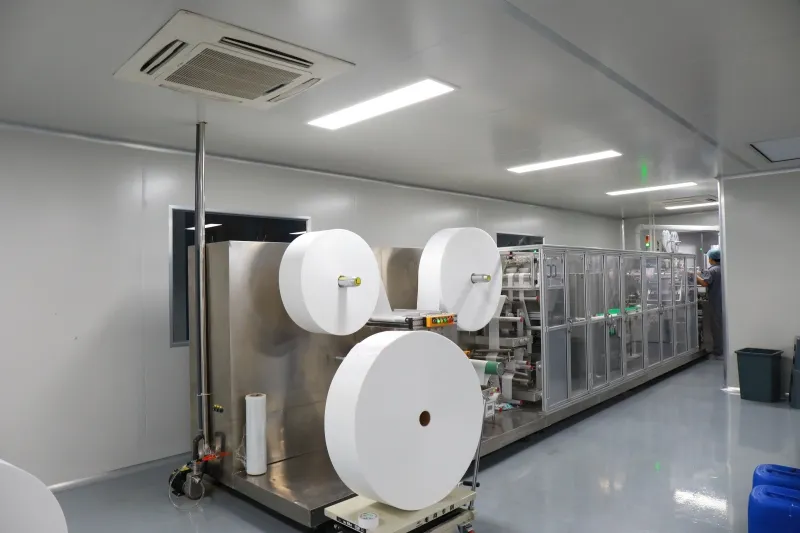
Wet wipes production is a highly automated industrial process that transforms nonwoven fabric and liquid formulations into finished, packaged products. A typical production line integrates water purification, liquid preparation, fabric converting, and packaging systems.
A modern top wet wipes supplier focuses on efficiency, hygiene standards, and flexible customization to meet different market needs-from baby wipes to disinfectant wipes.
Raw Materials Used in Wet Wipes
Nonwoven Fabric (Substrate)
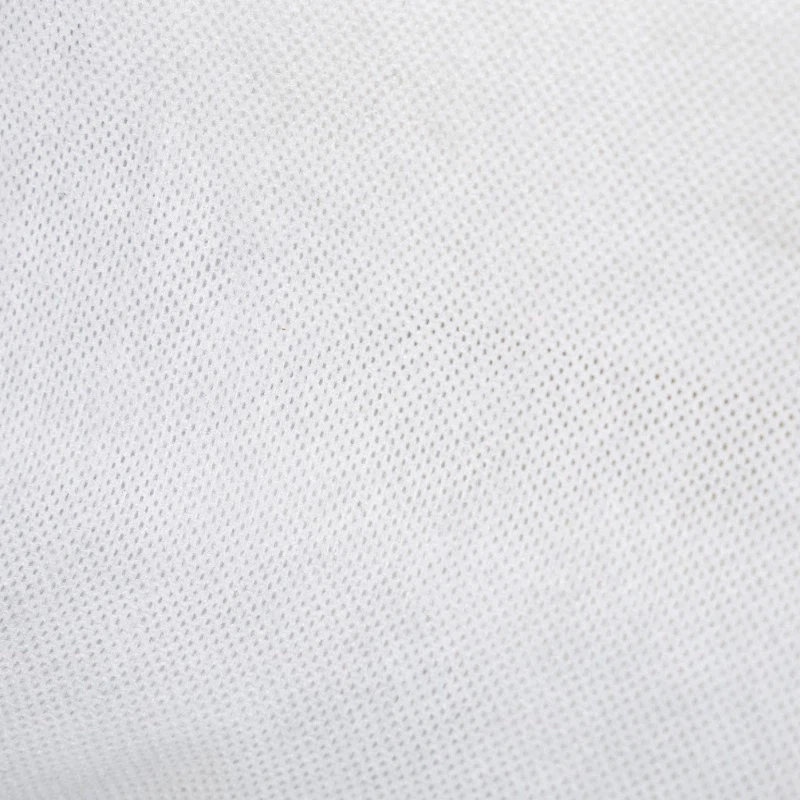
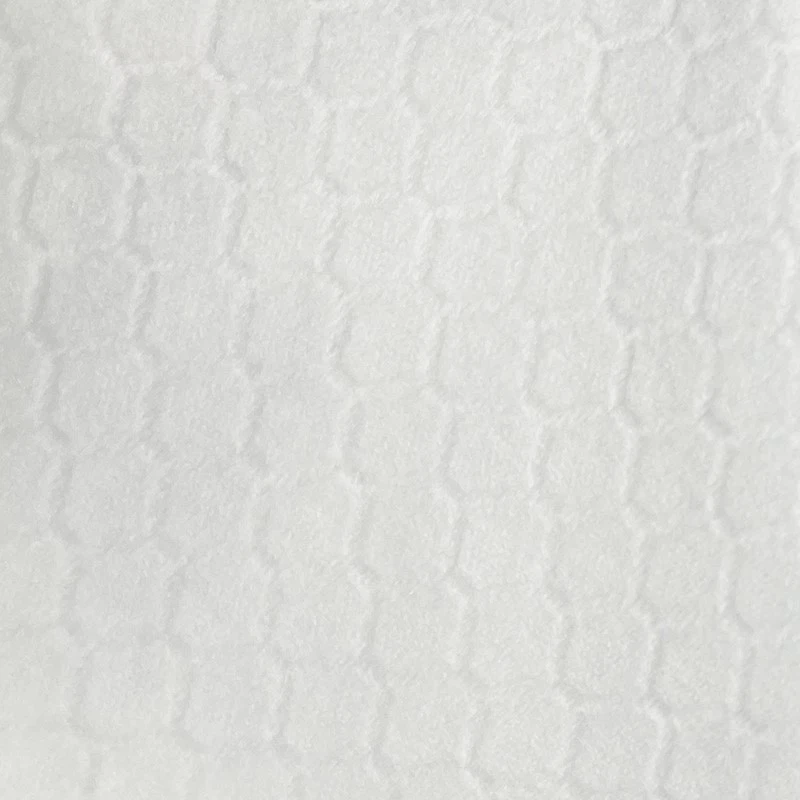
The backbone of every wet wipe is nonwoven fabric, typically accounting for 70–80% of the product.
Common materials include:
Spunlace (viscose + polyester blends)
Bamboo fiber
Wood pulp
Polypropylene or polyester
These materials are selected based on softness, strength, and absorbency.
Liquid Formulation (Lotion)
The remaining portion is a liquid solution, usually composed of:
Purified water (often RO-treated)
Moisturizers (e.g., glycerin)
Preservatives
Surfactants
Functional additives (aloe vera, alcohol, fragrances)
A professional china wet wipes manufacturer carefully balances cleaning effectiveness with skin safety.


Step-by-Step Wet Wipes Production Process
Step 1: Water Purification System
High-quality wet wipes start with purified water. Reverse osmosis (RO) systems remove impurities, ensuring safety and stability in the final product.
Step 2: Lotion Preparation
Ingredients are mixed in stainless steel tanks to create a uniform solution. Parameters such as pH, viscosity, and microbial safety are strictly controlled.
Step 3: Nonwoven Unwinding and Cutting
Large rolls of nonwoven fabric are fed into the production line, where they are:
Unwound
Slit into required widths
Cut into precise sheet sizes
Step 4: Folding Process
The fabric is folded into different formats depending on packaging:
Z-fold
C-fold
Interfold
This step ensures easy dispensing for end users.
Step 5: Liquid Dosing (Wet Application)
The prepared lotion is evenly applied to the fabric using precision dosing systems.
Ensures consistent moisture content
Prevents over- or under-saturation
Step 6: Stacking and Counting
Wipes are stacked automatically according to the required quantity (e.g., 10, 50, 80 pcs per pack).
Step 7: Packaging and Sealing
Automated packaging machines form, fill, and seal the wipes into:
Soft packs (most common)
Canisters or tubs
Individual sachets
Resealable lids or stickers are applied to maintain moisture.
Step 8: Quality Control and Inspection
Final products undergo strict testing:
Moisture content
Tensile strength
Microbial limits
Shelf-life stability

Key Machinery in Wet Wipes Production
A complete wet wipes production line includes:
Water Treatment System
RO purification units
Filtration systems
Mixing and Storage Tanks
Stainless steel mixing tanks
Homogenizers
Wet Wipes Converting Machine
Core equipment that performs:
Cutting
Folding
Wetting
Stacking
Packaging Machine
Flow wrap machines
Lid applicators
Labeling systems
End-of-Line Equipment
Cartoning machines
Case packers
Palletizers
Advanced factories integrate automation and robotics to improve efficiency and reduce labor costs.
Core Principles of High-Quality Wet Wipes Manufacturing
Hygiene and Safety
Production must follow strict standards to avoid contamination, especially for baby and medical wipes.
Consistent Moisture Control
Uniform liquid distribution ensures every wipe performs consistently.
Material Compatibility
Fabric and lotion must work together to achieve durability, softness, and functionality.
Efficient Automation
Modern production lines maximize output while maintaining precision.
Customization Capability
A reliable top wet wipes supplier offers flexible solutions in:
Sheet size
Formula
Packaging design
One-Stop China Wet Wipes Manufacturer – Aijian
As a professional china wet wipes manufacturer, Aijian provides integrated OEM/ODM solutions for global clients.
Why Choose Aijian?
Advanced automated production lines with high capacity
Wide product range: baby wipes, adult wipes, disinfectant wipes, pet wipes
Flexible customization (formula, fragrance, packaging, size)
Strict quality control aligned with international standards
Fast delivery and stable supply for bulk orders
Aijian continues to support global brands as a trusted top wet wipes supplier, helping clients build competitive products in their markets.



Conclusion
Wet wipes manufacturing is a sophisticated process combining material science, chemical formulation, and automated machinery. From water purification to final packaging, every step impacts product quality. Choosing the right china wet wipes manufacturer is critical for ensuring consistency, safety, and scalability in today's competitive market.
FAQs for Buyers
What is the typical MOQ for wet wipes?
Most manufacturers offer MOQs starting from 10,000 packs, depending on customization level and packaging type.
Can I customize the formula and fragrance?
Yes, professional suppliers support full OEM customization, including ingredients like aloe, chamomile, or alcohol-based solutions.
How long is the production lead time?
Usually 20–35 days after confirming samples and packaging design.
Are wet wipes safe for sensitive skin?
Yes, if produced with mild formulations and dermatologically tested ingredients.
How do I choose a reliable wet wipes supplier?
Focus on production capacity, quality certifications, customization ability, and export experience when selecting a top wet wipes supplier.


