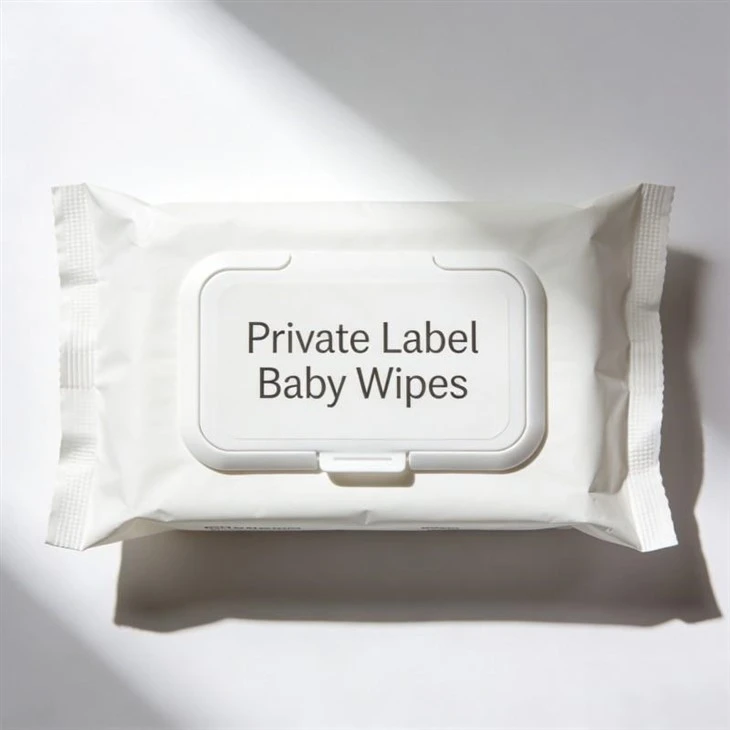
The right wiping solution is not simply a matter of choosing between wet and dry. It depends on the cleaning purpose, material performance, moisture requirements, user experience, and the demands of the end application.
Wet Wipes vs Dry Wipes: An Overview
Wet wipes and dry wipes are two widely used disposable wiping products in personal care, household cleaning, commercial hygiene, and industrial applications. Although they may share similar nonwoven fabric substrates, their composition, functionality, and intended uses are quite different.
The main difference between wet wipes and dry wipes is the presence of a liquid formulation. Wet wipes are pre-moistened with water-based solutions or functional cleaning formulas, making them convenient for immediate use. Dry wipes, on the other hand, contain no added liquid and are designed to be used dry or with a separately selected cleaning solution.
For distributors, importers, wholesalers, and private label brands, understanding these differences is essential when selecting a suitable product for a target market.
As an experienced wet wipes manufacturer, Aijian believes that product selection should begin with the actual application rather than price alone. Fabric composition, GSM, liquid loading, absorbency, packaging, and production consistency all influence the final product's performance.
What Are Wet Wipes?
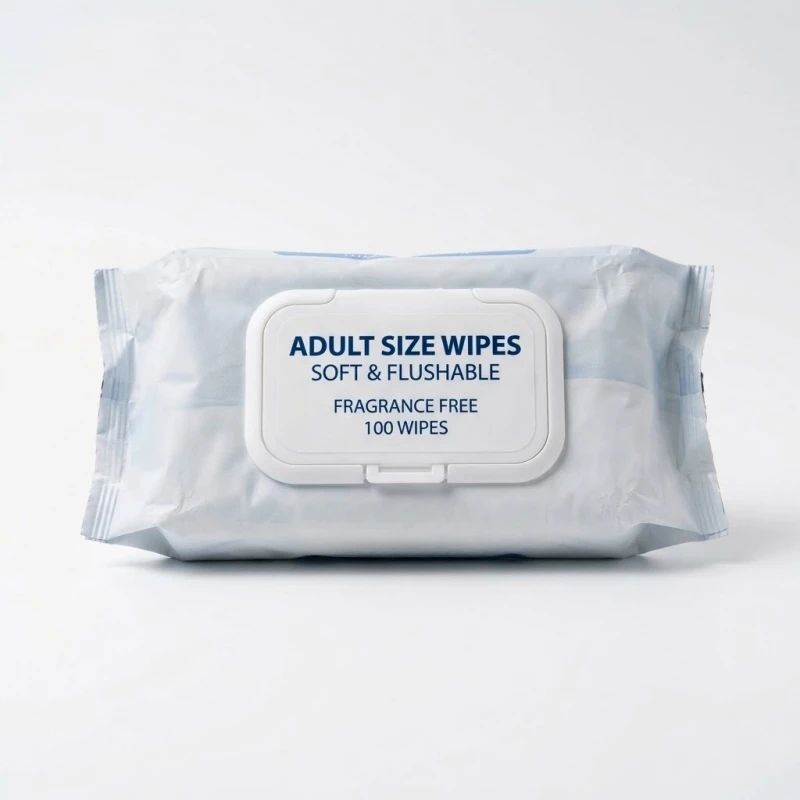
Wet wipes are disposable nonwoven sheets saturated with a specially formulated liquid solution. Depending on their intended application, the liquid may contain purified water, moisturizing ingredients, cleansing agents, skin-conditioning components, or other functional ingredients.
Unlike ordinary dry tissue, wet wipes provide a ready-to-use cleaning solution without requiring additional water or preparation.
Pre-Moistened Formulation
Wet wipes contain a controlled amount of liquid distributed throughout the nonwoven substrate. The formulation is selected according to the product's intended use, whether for baby care, facial cleansing, body cleaning, or household applications.
Multiple Fabric Options
Common materials include spunlace nonwoven made from viscose, polyester, wood pulp, cotton, bamboo-derived fibers, and blended fibers. Each material offers different levels of softness, strength, absorbency, and biodegradability.
Convenient Cleaning Performance
Wet wipes are suitable for situations where water and traditional washing facilities are not readily available. They are widely used for personal hygiene, travel, childcare, pet grooming, and surface cleaning.
Flexible Customization
Manufacturers can adjust the sheet size, fabric weight, liquid formulation, fragrance, wipe count, folding method, and packaging format to meet different market requirements.
Baby wipes for daily infant cleaning and care.
Adult wipes for personal hygiene and convenient body cleaning.
Makeup remover wipes for removing everyday cosmetics.
Floor wipes for household and commercial floor maintenance.
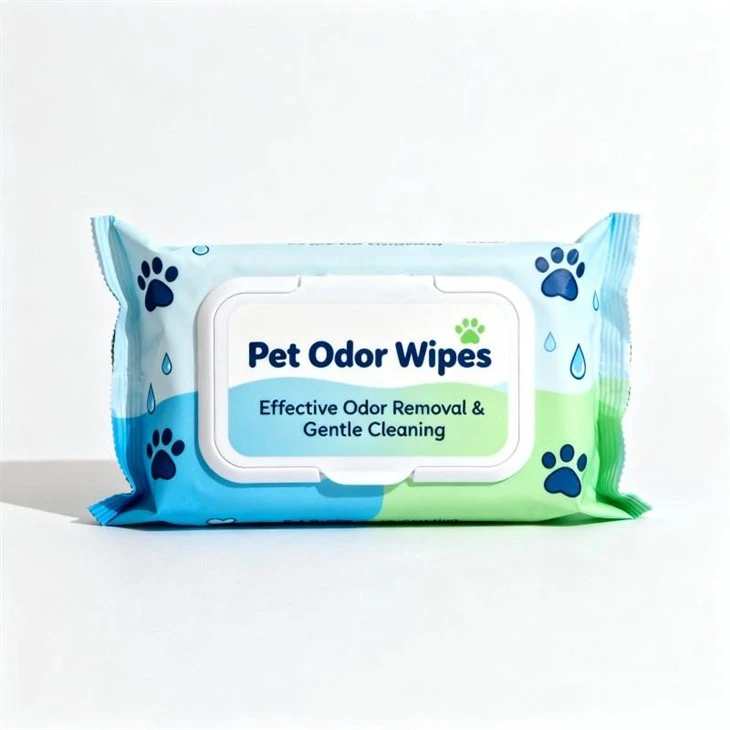
Pet wipes for cleaning paws, coats, and other external areas.
Kitchen wipes for everyday surface cleaning.
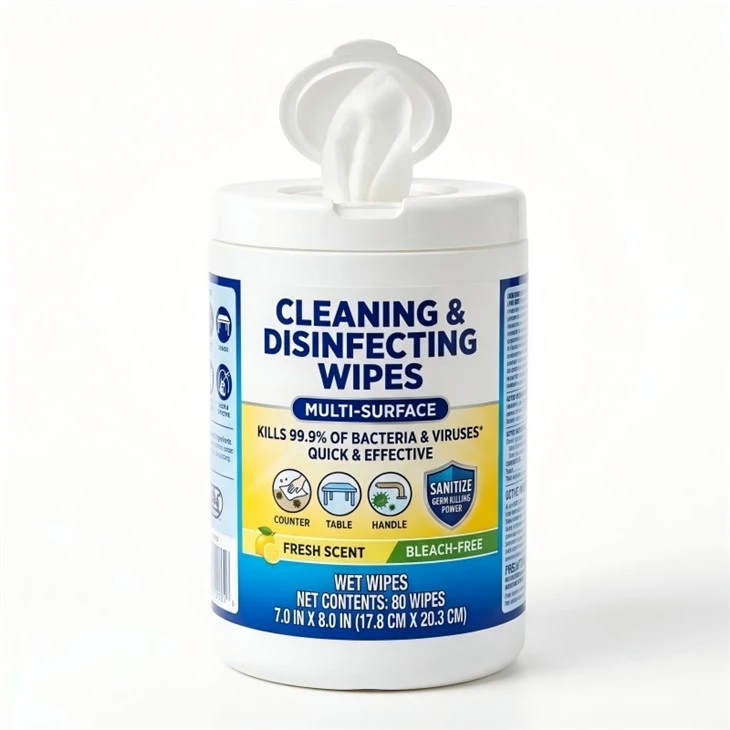
Disinfectant wipes formulated for specific hygiene applications and validated claims.

What Are Dry Wipes?
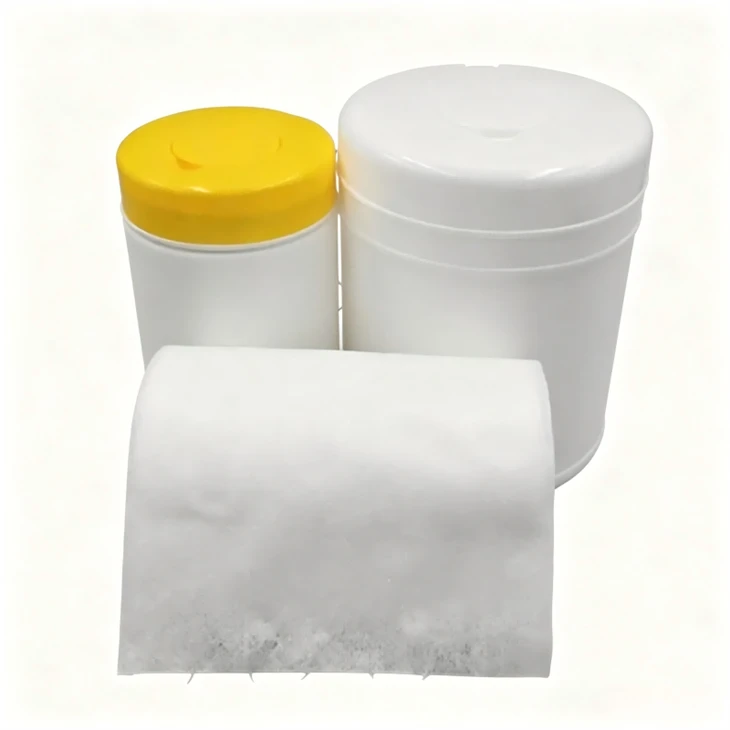
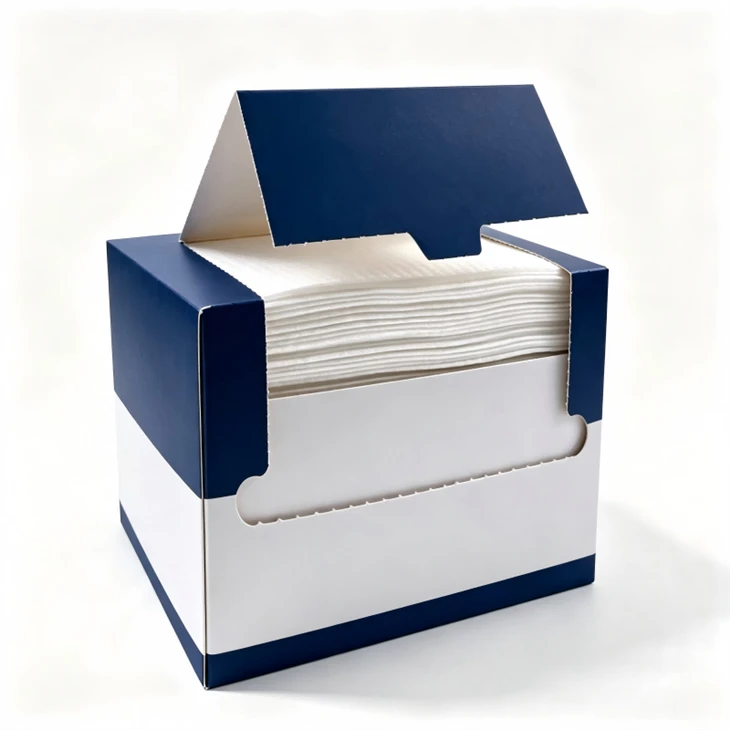
Dry wipes are disposable wiping sheets manufactured without pre-added liquid. They are generally made from nonwoven fabrics or other absorbent materials and can be used independently or combined with water, cleansing solutions, or other liquids.
Compared with wet wipes, dry wipes provide greater flexibility in liquid selection and are particularly useful in professional cleaning, personal care, and applications requiring controlled moisture levels.
No Pre-Added Liquid
Dry wipes are supplied in a dry condition, allowing users to determine whether additional liquid is necessary.
Flexible Material Selection
Common substrates include spunlace nonwoven, cotton, viscose, wood pulp, and other absorbent fiber combinations.
Convenient Storage and Transportation
Without liquid saturation, dry wipes avoid certain moisture-related packaging and leakage concerns. Their storage and shipping requirements can differ from those of pre-moistened wipes.
Multiple Usage Options
Dry wipes can be used for facial cleansing, surface wiping, equipment maintenance, liquid absorption, and professional cleaning procedures.
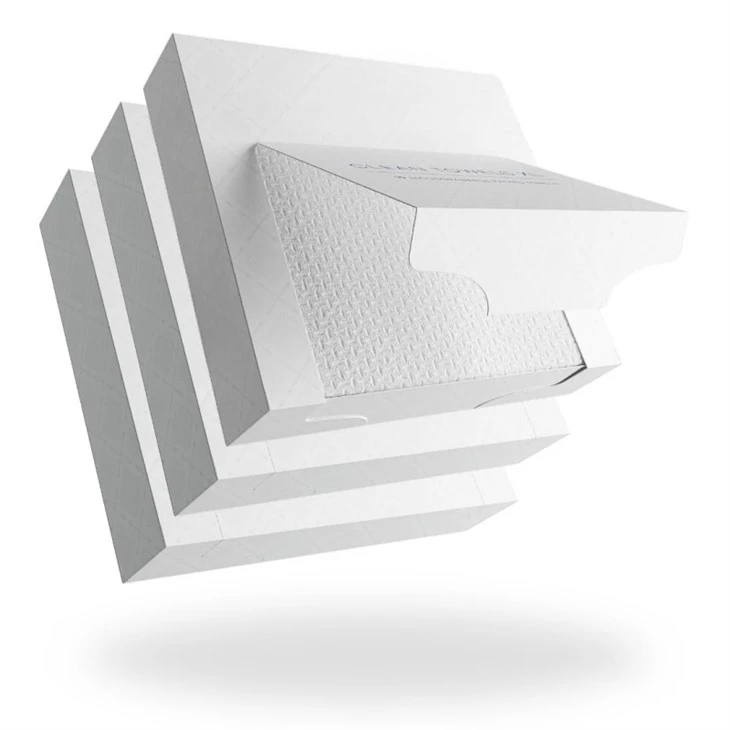
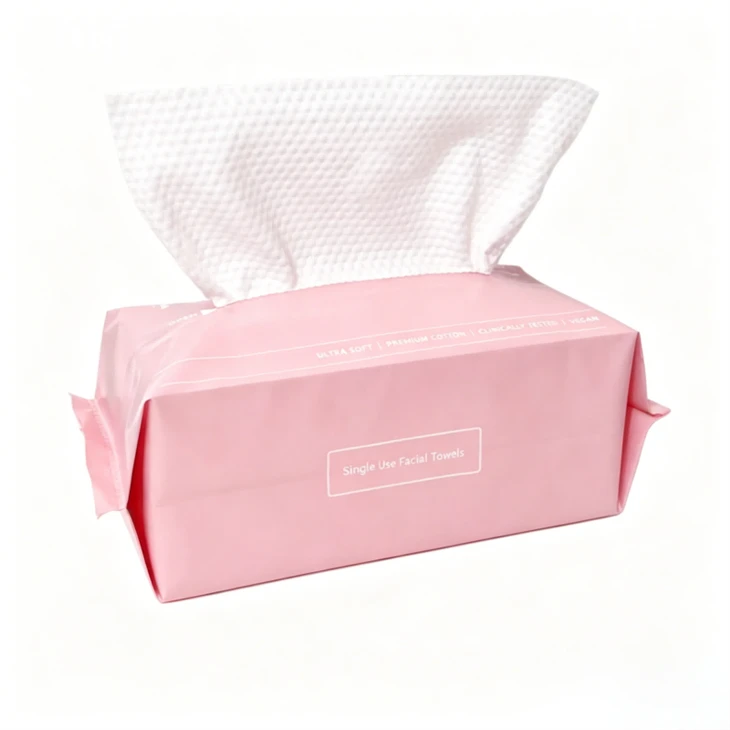
Disposable face towels for skincare routines.
Dry cotton wipes for gentle personal care.
Facial tissue for everyday hygiene.
Dry cleaning wipes for household and commercial use.
Industrial wipes for equipment and workshop cleaning.
Medical and professional-use dry wipes, subject to the relevant product specifications and regulatory requirements.
Wet Wipes vs Dry Wipes: Main Differences
For buyers comparing wet wipes and dry wipes, the following table highlights the main differences from a product development and procurement perspective.
| Comparison | Wet Wipes | Dry Wipes |
|---|---|---|
| Moisture | Pre-moistened | Dry |
| Main composition | Nonwoven fabric + liquid formula | Dry fabric substrate |
| Cleaning method | Ready-to-use cleaning | Dry wiping or additional liquid |
| Convenience | Ready for immediate use | Requires liquid for wet cleaning |
| Material options | Spunlace, viscose, polyester, blends | Spunlace, cotton, viscose, blends |
| Packaging | Moisture-resistant sealed packaging | Dry packaging |
| Storage concerns | Moisture retention and formula stability | Moisture protection and cleanliness |
| Main applications | Baby care, personal care, household cleaning | Facial care, dry cleaning, industrial wiping |
| Customization | Fabric, formula, liquid loading, packaging | Fabric, GSM, dimensions, packaging |
Neither product is universally better. The appropriate choice depends on the type of dirt, cleaning surface, required moisture level, and application environment.
Wet wipes are generally more convenient for removing everyday dirt and residues when a formulated cleaning solution is required. Dry wipes are useful for absorbing liquids, removing dust, and performing tasks where the user needs to control the cleaning solution.
For professional buyers, the most important consideration is whether the substrate and formulation are suitable for the intended cleaning task.
Differences in Raw Materials and Manufacturing Processes
Although wet wipes and dry wipes can use similar nonwoven substrates, their manufacturing processes involve different production considerations.
Spunlace nonwoven is a commonly used material for both wet and dry wipes. It is produced by entangling fibers through high-pressure water jets, creating a flexible fabric without conventional weaving.
The selection of fibers influences:
Softness and skin-contact comfort.
Tensile strength and resistance to tearing.
Absorbency and liquid distribution.
Fabric thickness and surface texture.
Biodegradability, depending on fiber composition and product construction.
For wet wipes, the fabric must also retain its structural integrity after liquid saturation. For dry wipes, absorbency, lint control, and dry strength may receive greater attention depending on the application.
Liquid formulation is one of the most important differences in wet wipe manufacturing.
Depending on the product category, formulations may include:
Purified water as the primary liquid component.
Moisturizing ingredients for skin-conditioning purposes.
Mild cleansing agents for everyday cleaning.
Preservative systems selected according to formulation requirements.
Functional ingredients for specific product applications.
A professional manufacturer should consider formula compatibility, microbial quality, material interaction, stability, and applicable market regulations before mass production.
| Manufacturing Stage | Wet Wipes | Dry Wipes |
|---|---|---|
| Raw material inspection | Fabric and liquid ingredients | Fabric and fiber materials |
| Fabric processing | Cutting, folding, and preparation | Cutting, folding, and preparation |
| Additional processing | Liquid formulation and impregnation | Dry handling and processing |
| Packaging | Sealing to retain moisture | Packaging to protect dry fabric |
| Quality inspection | Moisture, sealing, formula, and fabric checks | Dimensions, weight, strength, and cleanliness |
| Finished goods | Moist pre-packaged wipes | Dry packaged wipes |
The manufacturing process should be adapted to the product specification rather than relying on a single standard for every wipe category.
How to Choose Between Wet Wipes and Dry Wipes for Your Business
For importers and wholesalers, choosing the right wiping product requires more than comparing unit prices. The following factors can help buyers make a more informed purchasing decision.
Different markets have different product preferences and regulatory requirements.
For example, baby care brands may prioritize softness and formulation suitability, while household cleaning distributors may focus on cleaning performance, sheet size, and packaging convenience.
Clearly define whether the product will be used for skin cleansing, facial care, household maintenance, pet grooming, or industrial cleaning.
This determines the appropriate material, GSM, liquid formula, and product dimensions.
When evaluating a wet wipes manufacturer or dry wipes supplier, request detailed information about fiber composition, fabric weight, sheet dimensions, and physical properties.
A lower GSM does not automatically mean lower quality, but the material must meet the performance requirements of the intended application.
Wet wipes require packaging that helps retain moisture throughout storage and distribution. Dry wipes need packaging that protects the fabric from contamination and unwanted moisture.
Common formats include resealable soft packs, flip-top packs, canisters, individual packs where applicable, and bulk packaging.
A reliable supplier should be able to explain its raw material inspection, production monitoring, finished-product testing, and batch traceability procedures.
Buyers should also confirm whether the manufacturer can provide relevant product documentation and support the regulatory requirements of the destination market.
Why Choose Aijian as Your Wet Wipes and Dry Wipes Manufacturing Partner?
When sourcing wet wipes or dry wipes in bulk, choosing a manufacturer with practical production experience and customization capabilities can make a significant difference to long-term procurement.
Zhejiang Aijian Sanitary Products Technology Co., Ltd. is a professional wipes manufacturer established in 2002, with more than 20 years of experience in the wipes industry. We focus on the development and manufacturing of wet wipes, dry wipes, spunlace products, and customized wiping solutions for international customers.
Rather than offering only standard products, Aijian works with overseas distributors, importers, wholesalers, and private label brands to develop products according to their market positioning and purchasing requirements.
20+ Years of Wipes Manufacturing Experience
With manufacturing experience dating back to 2002, Aijian has developed practical knowledge of nonwoven material selection, wet wipe formulation, product processing, and packaging requirements.
Our experience supports customers developing products across baby care, personal care, household cleaning, pet care, and specialty cleaning categories.
Stable Production Capacity for Bulk Orders
Aijian operates four high-speed production lines with a monthly production capacity of approximately 2 million packs of wet wipes.
Our production, procurement, quality control, and logistics teams coordinate throughout the order process to support consistent manufacturing and shipment arrangements.
For importers and wholesalers, stable production planning is important when managing recurring orders, seasonal demand, and private label product launches.
OEM, ODM and Private Label Customization
Aijian provides customized wipes manufacturing solutions covering multiple product specifications.
Depending on the project, buyers can discuss:
Fabric Selection: Viscose, polyester, wood pulp, cotton, bamboo-derived fibers, and blended nonwoven materials.
Liquid Formulation: Water-based formulations, cleansing ingredients, moisturizing components, and application-specific formulas.
Sheet Specifications: Customized wipe dimensions, GSM, folding styles, and sheet quantities per pack.
Packaging Design: Customized packaging materials, printed artwork, resealable labels, and packaging formats.
Product Development: Support with sample evaluation and specification adjustments before bulk production.
Our OEM/ODM service helps customers coordinate material selection, formulation, packaging, and production requirements through one manufacturing partner.
Quality Management and Product Inspection
Product consistency is essential for brands that need to maintain the same specifications across repeated orders.
Aijian implements quality inspection procedures covering raw materials, production processes, and finished goods. Inspection considerations include fabric appearance, dimensions, weight, liquid distribution, packaging integrity, and other product-specific requirements.
The company also has relevant quality and compliance credentials, including ISO and GMPC-related certifications and supporting documentation. FDA-related requirements and other market-specific documents should be confirmed according to the product category and destination market.
Experience Across Multiple Wipes Categories
Aijian's product range covers a broad selection of wiping applications, including:
Baby care wipes and water wipes.
Adult wipes and body wipes.
Makeup remover and facial cleansing wipes.
Intimate hygiene wipes.
Floor wipes and kitchen wipes.
Pet grooming wipes.
Hand sanitizing and specialty cleaning wipes.
Disposable face towels and dry cleaning wipes.
Dry cotton wipes and other dry wipe products.
This product coverage allows buyers to discuss different wiping requirements with one experienced manufacturer rather than coordinating multiple suppliers.
Support from Product Development to Shipment
Aijian understands that international buyers need more than manufacturing capacity. Clear communication, accurate specifications, production coordination, and delivery planning are equally important.
Our team works with customers throughout product confirmation, sample evaluation, order production, quality inspection, and shipment preparation.
For distributors developing their own wipes brands, this integrated service helps simplify supplier management and product sourcing.
What Should Buyers Prepare Before Requesting a Quotation?
To receive an accurate quotation from a wet wipes manufacturer or dry wipes manufacturer, buyers should provide as much product information as possible.
| Information Required | Details to Confirm |
|---|---|
| Product Type | Wet wipes or dry wipes |
| Application | Baby care, personal care, household, pet care, etc. |
| Fabric Material | Spunlace, viscose, polyester, cotton, or blends |
| Fabric Weight | Required GSM |
| Sheet Size | Length and width |
| Quantity | Number of sheets per pack |
| Formula | Required ingredients or functional characteristics, for wet wipes |
| Packaging | Soft pack, flip-top, bulk packaging, etc. |
| Order Volume | Estimated quantity per order |
| Destination | Country or target sales market |
Providing these details allows the manufacturer to evaluate material costs, production requirements, packaging options, and order feasibility more accurately.
Frequently Asked Questions About Wet Wipes and Dry Wipes
Yes. Both products can use similar spunlace nonwoven substrates, including viscose, polyester, cotton, and blended fibers. However, the fabric specification should be selected according to the intended application. Wet wipes require suitable wet strength and compatibility with the liquid formulation, while dry wipes may prioritize dry strength, absorbency, and lint control.
There is no universal GSM for every wiping product. Lightweight materials may be suitable for everyday disposable wipes, while heavier fabrics are often considered for thicker body wipes, premium facial towels, and demanding cleaning applications. Buyers should evaluate GSM together with fiber composition, fabric structure, absorbency, and tensile strength.
Yes. Aijian provides OEM, ODM, and private label manufacturing services. Depending on the project, buyers can customize fabric materials, sheet dimensions, GSM, liquid formulations, wipe quantities, folding methods, and packaging artwork. Specifications should be confirmed before sample approval and mass production.
The MOQ depends on the product category, number of wipes per pack, fabric specification, liquid formulation, and packaging requirements. For Aijian's wet wipe projects, the typical starting MOQ is around 10,000 packs, subject to product evaluation and final quotation. Buyers should provide their proposed specifications to confirm the applicable order quantity.
Quality management begins with suitable raw materials and formulation control. Manufacturers should monitor liquid distribution, microbial quality, packaging sealing, and finished-product consistency. Buyers should also confirm storage conditions, shelf-life validation, and packaging performance before placing large orders. Actual shelf life must be supported by product-specific stability and quality data.
Buyers should prepare the product type, intended application, fabric material, GSM, sheet size, wipe count, packaging format, estimated order quantity, and destination market. For wet wipes, liquid formulation requirements should also be discussed. With these details, Aijian can evaluate the manufacturing requirements and provide suitable customization recommendations and a quotation.
Conclusion
Wet wipes and dry wipes serve different purposes, even though they may share similar nonwoven materials. Wet wipes offer ready-to-use moisture and formulated cleaning performance, while dry wipes provide flexibility in moisture control and can be used for dry or liquid-assisted cleaning.
For international buyers, selecting the right product requires careful consideration of fabric composition, GSM, application, formulation, packaging, quality requirements, and manufacturing capacity.
As an experienced wet wipes and dry wipes manufacturer, Aijian combines more than 20 years of industry experience with four high-speed production lines, approximately 2 million packs of monthly wet wipe production capacity, and flexible OEM/ODM customization services.
Whether you are developing a new private label wet wipes range, sourcing wholesale dry wipes, or expanding an existing cleaning product portfolio, Aijian is ready to discuss your specifications and support your bulk manufacturing requirements.
Contact Aijian to discuss your wet wipes and dry wipes project, request product samples, and obtain a customized manufacturing quotation.